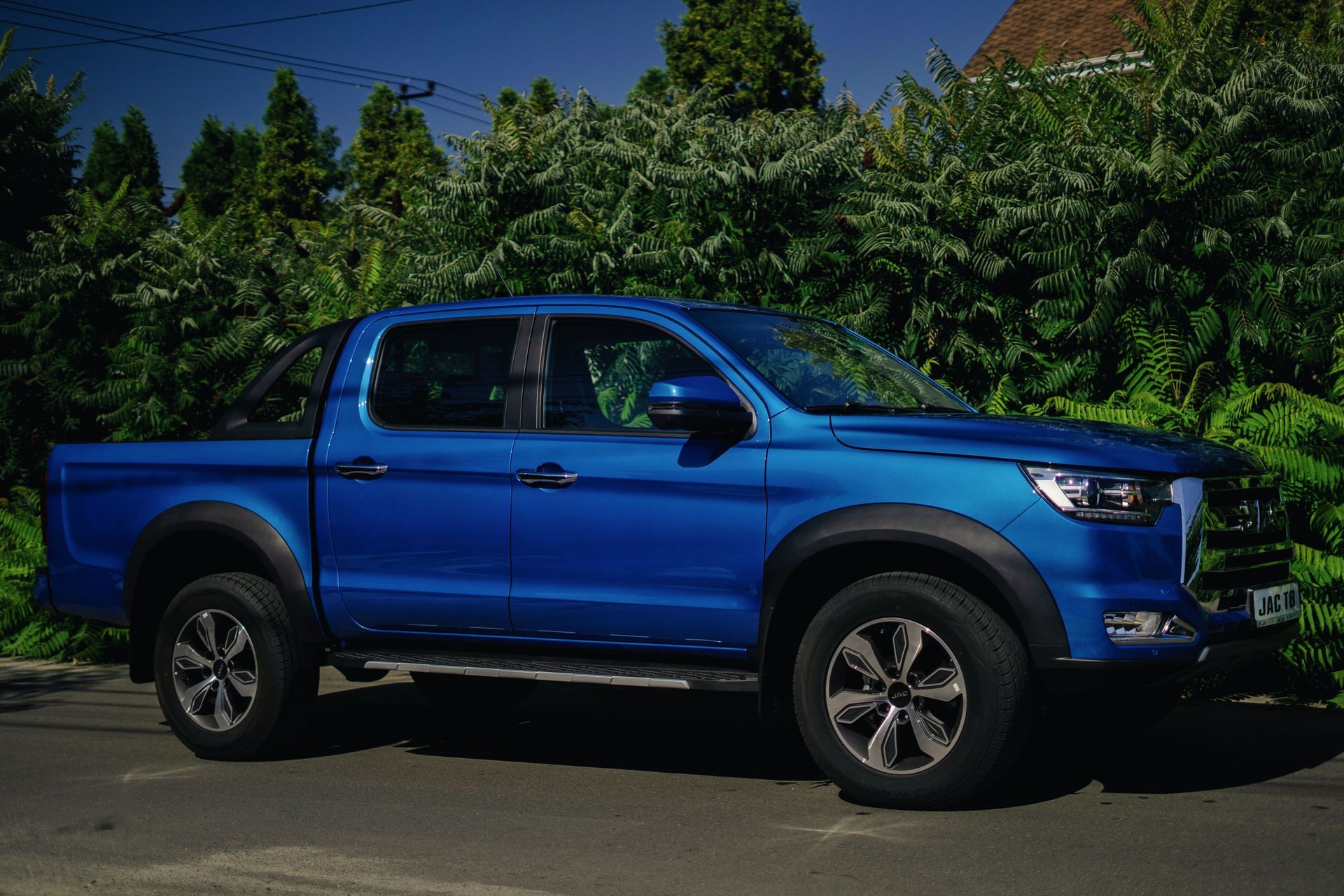
Pickup trucks
Mechanical Verification That Prevents Costly Mistakes
Pickup trucks in New York City for work vehicle buyers and private owners evaluating used trucks
Trucks used for towing, hauling, or commercial work develop specific wear patterns that standard inspections often miss, leaving buyers with expensive transmission repairs, suspension damage, or frame issues that surface months after purchase. The inspection process examines Ford F-150, Chevrolet Silverado 1500, Ram 1500, GMC Sierra 1500, Toyota Tacoma, Toyota Tundra, Nissan Frontier, Chevrolet Colorado, Ford Ranger, GMC Canyon, Honda Ridgeline, Nissan Titan, Ram 2500, Ford F-250, and Chevrolet Silverado 2500 models for common failure points including transmission cooler line leaks, leaf spring damage, and bed floor rust. NYC Pre-Purchase Inspection provides this technical assessment before you commit to buying any used truck.
The examination covers transmission performance under load testing that reveals slipping clutches or valve body problems, differential inspection for gear oil contamination, frame examination for cracks near trailer hitch mounting points, and bed inspection for previous heavy use or chemical exposure. Each element addresses specific failure modes that affect trucks differently than passenger vehicles.
Arrange a truck evaluation to identify mechanical condition and previous use patterns before completing your purchase.
What Proper Truck Assessment Requires
The process begins with frame inspection where technicians look for evidence of previous overloading through bent crossmembers or cracked welds, examine the trailer hitch receiver for elongated bolt holes indicating repeated heavy towing, and inspect the bed for gouges or chemical staining that suggests commercial use. Suspension assessment includes measuring leaf spring sag or coil spring settling that indicates the truck has carried loads beyond its rating, and checking shock absorbers for fluid leaks that reduce handling stability.
You'll notice after receiving the inspection report that it quantifies specific conditions rather than offering general impressions: brake pad thickness in millimeters, tire tread depth across all positions, steering component play measured in degrees, and fluid condition rated by color and contamination level. This specificity lets you calculate exactly what repairs will cost in the first year of ownership and whether the asking price makes sense given the truck's actual condition.
The inspection identifies current mechanical state but cannot predict how many miles the engine or transmission has remaining, since that depends on future use and maintenance. Heavy-duty diesel trucks receive additional fuel system and emissions equipment testing beyond what gasoline engines require, adding time to the inspection process.
Questions Before Starting Your Inspection
Truck buyers typically ask these questions when deciding whether inspection is worth the cost for their specific purchase situation.
What specific truck components get the most attention?
Inspections emphasize transmission function since towing accelerates clutch wear and heat damage, suspension and frame integrity because payload stress causes cracking and sagging, differential condition since heavy loads increase gear stress, and brake systems where trailer use creates higher thermal demands than normal driving.
How does the inspection reveal previous towing or hauling use?
Technicians look for trailer brake controller wiring, wear patterns on hitch receivers, transmission fluid that's darkened from heat exposure, and suspension components that show premature wear consistent with regular heavy loads rather than normal commuting use.
What makes truck inspections different from car inspections?
Trucks require frame inspection for cracks and damage that unibody cars don't experience, bed evaluation for structural integrity and previous use indicators, and often diesel-specific testing including turbocharger function and diesel particulate filter condition that add complexity beyond gasoline vehicle assessment.
Why do inspection findings matter for resale value later?
Documented mechanical condition at purchase time establishes baseline condition, helps you maintain the truck properly to preserve value, and provides records you can show future buyers when you sell, making your truck more attractive than similar vehicles without inspection history.
When should I inspect trucks sold by commercial fleets?
Fleet vehicles often receive regular maintenance but also accumulate heavy use and hours of idling, making inspection particularly valuable to identify whether consistent maintenance has offset hard use or whether deferred repairs were passed along at sale time in New York City.
NYC Pre-Purchase Inspection examines trucks with focus on the systems that fail under work use and heavy loads. Book an appointment to evaluate mechanical condition before you buy.