Diesel & Heavy Equipment Inspections
Reliable Assessments for Heavy-Duty Purchases
Diesel & Heavy Equipment Inspections for buyers evaluating construction equipment and commercial trucks before large-investment purchases
Diesel pickups and construction equipment represent significant financial commitments, and sellers often list units after years of demanding use without disclosing engine wear, hydraulic system leaks, or structural damage from job site conditions. Buyers who purchase based on photos and brief walk-arounds frequently inherit expensive repairs within weeks of ownership—failed injectors, worn turbochargers, hydraulic pumps requiring replacement, or frames cracked from overloading. NYC Pre-Purchase Inspection Co. evaluates diesel engines under operating conditions, checks hydraulic systems for leaks and pressure loss, and inspects structural components for damage that affects safety and functionality.
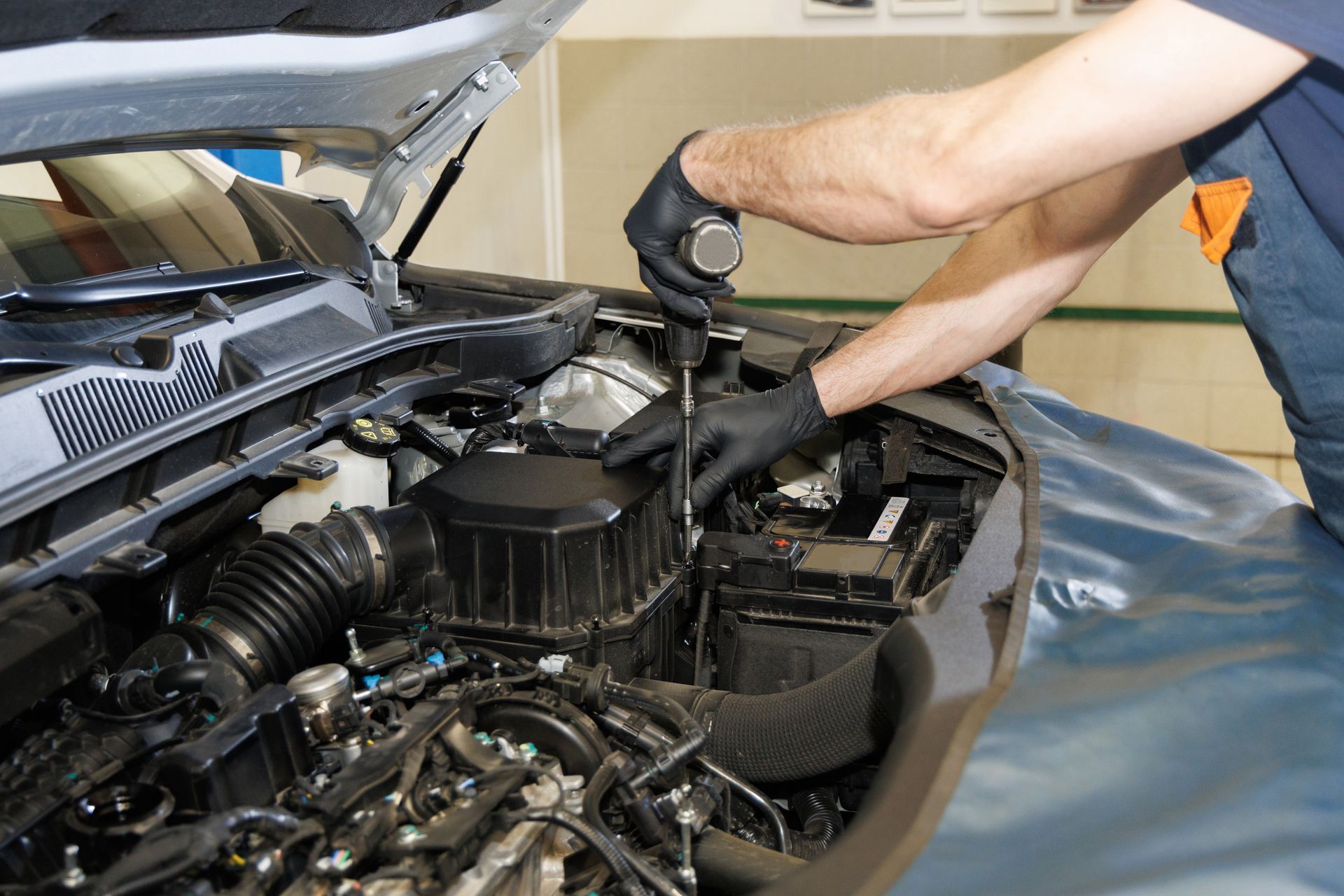
The inspection process involves connecting diesel-specific diagnostic equipment to assess engine performance, measuring compression across all cylinders, evaluating turbocharger operation, and testing hydraulic systems for proper pressure and response. Construction equipment inspections include operational checks of booms, buckets, and hydraulic functions, plus assessments of undercarriage components, tracks or tires, and safety features.
Schedule an equipment inspection to verify mechanical condition and avoid purchasing a unit with hidden failures that cost thousands to repair.
What You Notice Once Heavy Equipment Is Properly Evaluated
Diesel engines and hydraulic systems fail in predictable patterns when not maintained properly—injectors clog and cause rough running, turbochargers lose boost pressure and reduce power, hydraulic seals leak and contaminate fluid with metal particles, and frames crack at stress points where loads exceeded design limits. The inspection identifies these problems before you complete the purchase by measuring actual performance against manufacturer specifications rather than accepting seller claims that the equipment "runs strong" or "just needs minor work." Diagnostic scans reveal pending fault codes that indicate components nearing failure even when current operation appears normal.
After the inspection, you receive documentation showing engine compression readings, turbocharger boost pressure, hydraulic system pressure tests, and photographs of structural damage or excessive wear on moving parts. If the inspection uncovers a diesel particulate filter nearing capacity, a failing lift pump, or hydraulic cylinders leaking past seals, you either negotiate a lower price reflecting repair costs or walk away from equipment that will require immediate expensive service. The report provides a baseline for future maintenance and helps you understand what the equipment needs now versus what can wait.
NYC Pre-Purchase Inspection Co. uses diagnostic tools calibrated for diesel engines and equipment common in the Bronx construction and commercial trucking industries. The inspection does not include operating heavy equipment off-site or performing destructive testing, but it does evaluate all systems under typical load conditions and documents findings that affect operational reliability and safety.
What Property Owners Usually Ask
Buyers considering diesel trucks and construction equipment in the New York City metropolitan area often have questions about what the inspection covers and how findings affect purchasing decisions.
What makes diesel engine inspections different from gasoline vehicle evaluations?
Diesel engines operate under higher compression and temperatures, which means inspection includes measuring cylinder compression, testing turbocharger boost pressure, evaluating diesel particulate filter condition, and checking for injector problems that gasoline engines don't experience.
How do you assess hydraulic systems during equipment inspections?
The process involves pressurizing hydraulic circuits to check for leaks, measuring system pressure against manufacturer specifications, operating all hydraulic functions to identify weak cylinders or slow response, and inspecting fluid for metal contamination indicating internal component wear.
Why do construction equipment sellers often understate mechanical problems?
Equipment that's been used hard on job sites accumulates wear and damage that reduces value significantly, and sellers who disclose all issues face lower offers or lose buyers entirely, so they minimize problems hoping buyers won't discover issues until after purchase.
What should I look for when buying used diesel trucks in the Bronx area?
Focus on units with documented maintenance histories, avoid trucks showing signs of excessive idling or overloading, and always arrange a pre-purchase inspection that includes diesel-specific diagnostics and undercarriage evaluation for frame damage or rust perforation common in Northeast climates.
How long does a heavy equipment inspection take?
Most diesel truck inspections require 90 minutes to two hours, while construction equipment evaluations take two to three hours depending on equipment complexity and how many operational systems require testing.
NYC Pre-Purchase Inspection Co. provides equipment condition reports that support informed purchasing decisions for diesel pickups, commercial trucks, and construction equipment. Arrange an evaluation before committing to large-investment purchases that carry hidden repair costs.